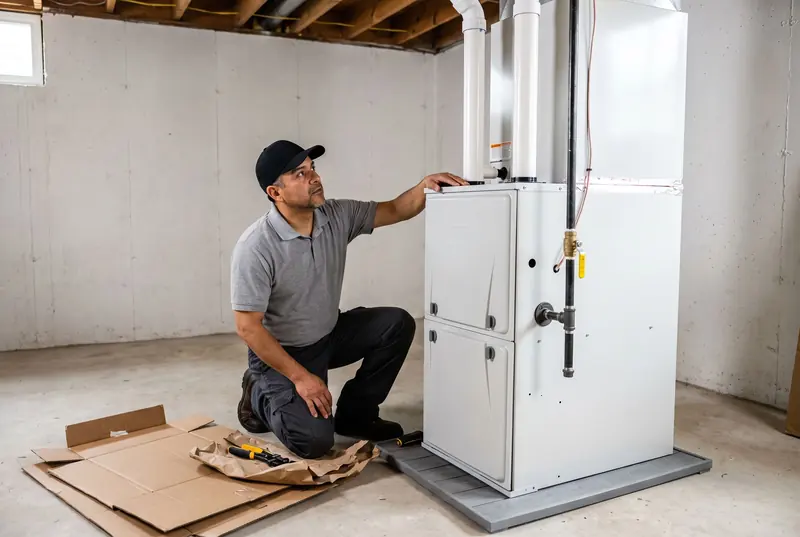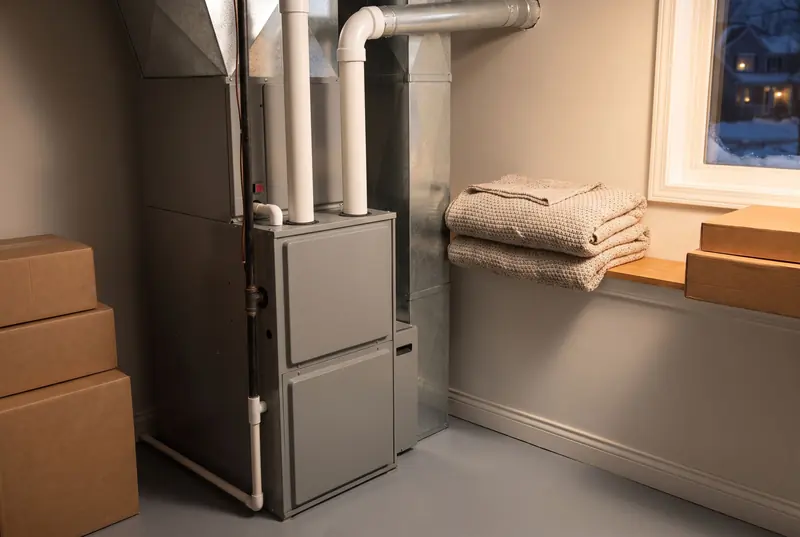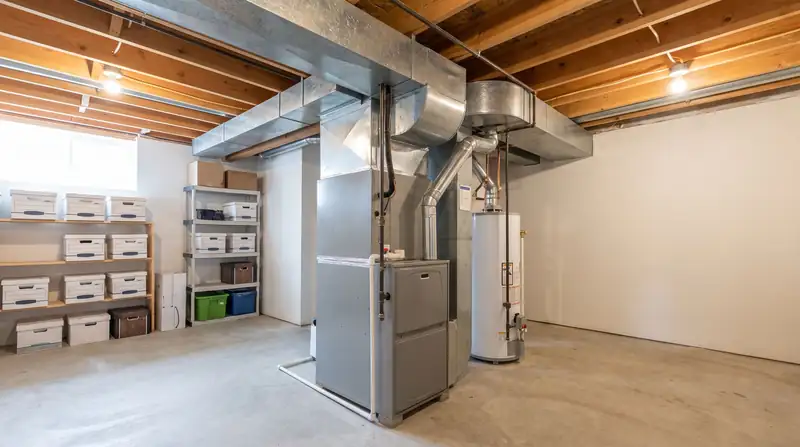

Size matters more than most people expect with a new furnace. An oversized unit short-cycles, overshoots the thermostat, and wears out early, while a correctly sized furnace runs longer and more quietly and uses less fuel. So Killeen HVAC starts every replacement in Killeen with a load calculation, not the number on the old nameplate. From there, the choices come into focus: 80 percent AFUE or a condensing furnace in the mid-90s, single-stage, two-stage, or modulating burners, and a basic PSC blower or a variable-speed ECM motor that saves electricity and smooths out temperature swings. The right combination depends on your home, your ducts, and how long your heating season lasts, and you will be living with it for the next twenty years.
The repair homeowners call us about most is Furnace Repair. Start there if your system isn't running right.
Warning Signs for Furnace Installation
Catching these issues early helps you avoid costly problems. Here are the most common indicators that it's time to call a professional:
- Uneven heat, frequent cycling, or rooms that stay cold no matter what
- Fan noise loud enough to interrupt conversation or sleep
- Recurring booms at startup, soot, or rust despite regular service
- A new air conditioner or heat pump is going in and the old furnace cannot keep up
- Service calls that come more often and cost more every year
- The furnace you have is fifteen to twenty years old or more
- Rising energy bills and a home that still feels chilly
- A cracked heat exchanger has been found, ending the repair conversation
Don't Wait for a Total Failure
Most HVAC failures start small, a weak capacitor, a squealing blower, a system that runs a little longer each week. Call (254) 218-1617 at the first sign of trouble.